


Introduction
Payment systems have changed dramatically over the last decade, and the pace of innovation is only increasing. Today, businesses and consumers are moving away from traditional cash-based transactions and adopting faster, safer, and more convenient digital methods. These changes are driven by payment technology trends that are reshaping how money moves around the world.
From mobile wallets and contactless cards to blockchain-based systems and artificial intelligence-driven fraud detection, modern payment technology is designed to improve speed, security, and user experience. Whether you are shopping online, paying bills, or running a business, these technologies are already part of your daily life.
One of the most important shifts is the rise of real-time payments, which allow instant money transfers without delays. At the same time, digital banking apps and fintech platforms are making financial services more accessible than ever before.
Understanding payment technology trends is essential for businesses, entrepreneurs, and even everyday users. It helps you stay competitive, avoid outdated systems, and take advantage of new opportunities in the digital economy. In this article, we will explore what these trends are, why they matter, how they work, and what the future of payments looks like in a rapidly evolving financial world.
What is Payment Technology Trends?
Payment technology trends refer to the ongoing advancements and innovations in the way financial transactions are processed, managed, and secured. These trends represent the evolution of payment systems from traditional cash and card-based methods to advanced digital solutions.
Modern payment technology trends include mobile payments, digital wallets, contactless cards, cryptocurrency transactions, biometric authentication, and AI-powered fraud prevention systems. These technologies aim to make transactions faster, more secure, and more convenient for users.
In simple terms, it is the transformation of how people send and receive money using modern digital tools. Instead of relying on physical cash or manual banking processes, users now depend on automated, cloud-based, and real-time systems.
Businesses adopt these trends to improve customer experience, reduce operational costs, and increase transaction efficiency. On the other hand, consumers benefit from convenience, speed, and better security.
As financial ecosystems continue to evolve, payment technology trends are becoming the backbone of the global digital economy.
Why is Payment Technology Trends Important?
Payment technology trends play a crucial role in shaping modern financial systems. Without these advancements, global commerce would be slower, less secure, and less efficient.
One major reason for their importance is speed. Traditional banking systems often take days to process transactions, while modern digital payments happen instantly. This is especially important for businesses that rely on quick cash flow.
Security is another key factor. With increasing cyber threats, advanced payment systems use encryption, tokenization, and biometric verification to protect user data.
Additionally, these trends improve accessibility. People in remote areas can now access financial services using mobile phones without visiting a physical bank.
They also support global trade. Businesses can accept payments from international customers easily, expanding their reach beyond borders.
Overall, payment technology trends are important because they enhance efficiency, improve security, and support the growth of the digital economy worldwide.
Detailed Step-by-Step Guide to Payment Technology Trends
Understanding the Digital Payment Ecosystem
The first step is understanding how digital payments work. This includes banks, payment gateways, digital wallets, and fintech platforms that connect users and merchants.
Adopting Mobile Payment Solutions
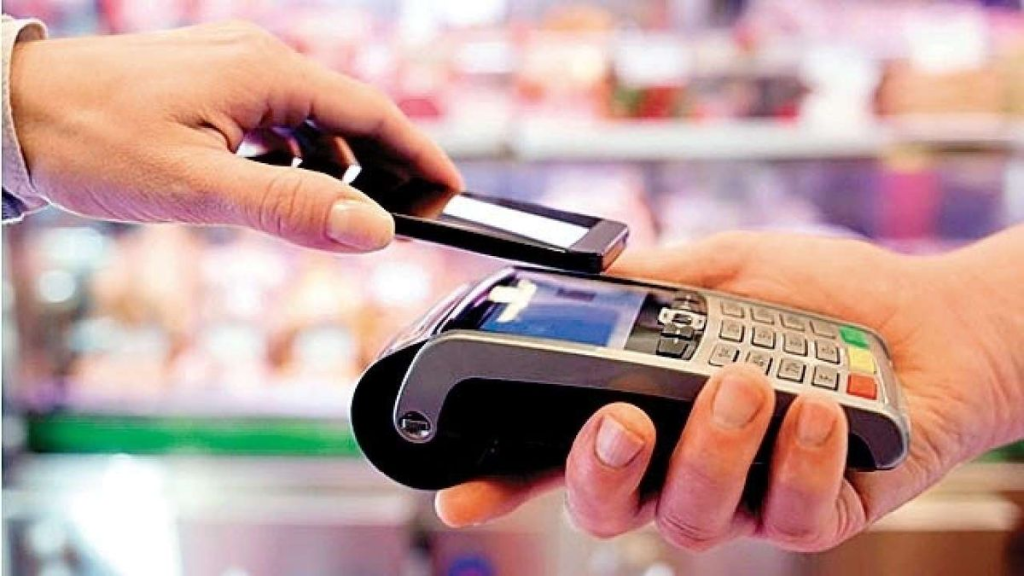
Mobile payment apps like digital wallets allow users to store money and make payments using smartphones. This eliminates the need for physical cash or cards.
Integrating Contactless Payment Systems
Contactless payments use NFC technology, allowing users to simply tap their cards or phones to complete transactions quickly and safely.
Implementing Blockchain Technology
Blockchain ensures transparency and security in financial transactions. It is especially important for cryptocurrency-based payments.
Using AI for Fraud Detection
Artificial intelligence helps detect suspicious transactions in real time, preventing fraud and unauthorized access.
Enhancing User Experience
Businesses must ensure that payment systems are simple, fast, and user-friendly to increase customer satisfaction.
Benefits of Payment Technology Trends
- Faster transaction processing compared to traditional banking systems
- Improved security through encryption and biometric verification
- Greater convenience for users and businesses
- Reduced dependency on physical cash
- Global payment accessibility for international transactions
- Better financial tracking and reporting tools
- Lower operational costs for businesses
- Enhanced customer experience and satisfaction
Disadvantages / Risks of Payment Technology Trends
- Increased risk of cyberattacks and data breaches
- Dependence on internet connectivity and digital devices
- Technical failures can disrupt payment systems
- Privacy concerns with digital transaction data
- High implementation costs for small businesses
- Learning curve for users unfamiliar with technology
- Regulatory challenges across different countries
Common Mistakes to Avoid
One common mistake businesses make is ignoring security updates. Outdated systems are vulnerable to cyber threats.
Another mistake is not optimizing payment systems for mobile users. Since most transactions now happen on smartphones, mobile-friendly systems are essential.
Some businesses also fail to offer multiple payment options, limiting customer convenience.
Ignoring customer experience is another major issue. A complicated checkout process can lead to abandoned transactions.
Lastly, many organizations fail to stay updated with evolving payment technology trends, which can reduce competitiveness in the market.
FAQs
1. What are payment technology trends?
Payment technology trends are innovations in digital payment systems that improve speed, security, and convenience in financial transactions.
2. Why are payment technology trends important for businesses?
They help businesses process payments faster, reduce costs, improve security, and expand their customer base globally.
3. What are examples of modern payment technologies?
Examples include mobile wallets, contactless cards, blockchain payments, and AI-based fraud detection systems.
4. Are digital payments safe?
Yes, modern systems use encryption and biometric authentication, but users must still follow security best practices.
5. How do payment technology trends affect customers?
They make payments faster, easier, and more secure while offering multiple convenient options.
6. What is the future of payment technology?
The future includes more automation, AI integration, biometric verification, and widespread use of digital currencies.
Expert Tips & Bonus Points
Experts suggest businesses should always stay updated with the latest payment technology trends to remain competitive.
Investing in secure payment gateways is essential for building customer trust.
Companies should also focus on mobile optimization since mobile payments dominate the market.
Another important tip is to offer multiple payment options to cater to different customer preferences.
Regular security audits and system updates help prevent cyber risks.
Finally, adopting scalable payment solutions ensures long-term business growth and flexibility.
Conclusion
The evolution of payment systems has completely transformed the global financial landscape. Today, payment technology trends are at the center of this transformation, driving innovation, efficiency, and security across industries.
From mobile wallets and contactless payments to AI-powered fraud detection and blockchain technology, these advancements are reshaping how individuals and businesses handle money. They have made transactions faster, more secure, and more accessible than ever before.
For businesses, adapting to these changes is no longer optional. It is a necessity for survival in a competitive digital economy. Companies that embrace modern payment systems can improve customer satisfaction, reduce costs, and expand their global reach.
For consumers, these technologies offer unmatched convenience and flexibility. Whether paying bills, shopping online, or transferring money internationally, digital payment systems make everything easier and more efficient.
As we move further into the digital age, payment technology trends will continue to evolve. Artificial intelligence, biometric security, and decentralized financial systems are expected to play a major role in the future.
Understanding and adopting these trends today will help individuals and businesses stay ahead in tomorrow’s financial world.
