

Introduction
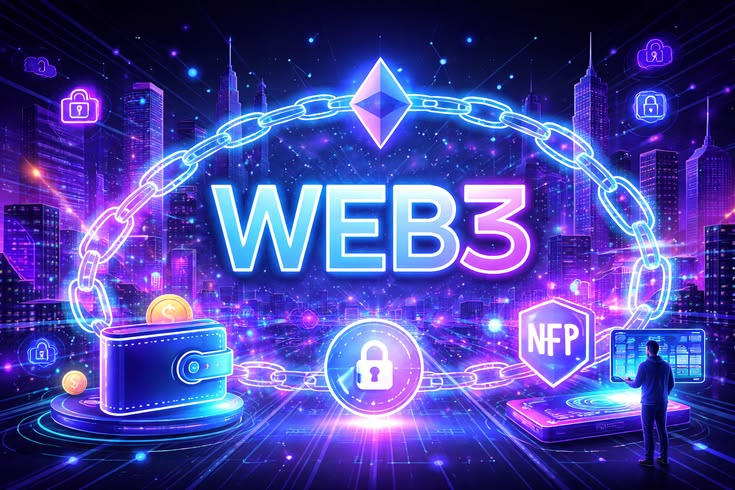
The internet is going through one of the biggest transformations in its history, and this shift is known as Web3. Unlike the traditional internet we use today, Web3 is designed to be decentralized, user-controlled, and powered by blockchain technology. It aims to give ownership of data, identity, and digital assets back to the users instead of large centralized companies.
In the current Web2 era, platforms like social media networks, search engines, and online marketplaces control most of the data. Users interact, create content, and generate value, but the control remains in the hands of corporations. Web3 changes this structure completely by introducing transparency, peer-to-peer systems, and token-based economies.
The future of Web3 is not just about cryptocurrency or blockchain. It represents a new digital ecosystem where people can interact, trade, learn, and build applications without relying on central authorities. This shift has the potential to redefine industries such as finance, gaming, social media, and even governance.
As more developers, businesses, and users enter this space, Web3 is gradually evolving from an experimental concept into a real-world infrastructure. Understanding its future helps us prepare for the next digital revolution that will impact every aspect of online life.
What is Web3?
Web3 is the third generation of the internet that focuses on decentralization, blockchain technology, and user ownership. It removes the need for centralized intermediaries by allowing users to interact directly through decentralized networks.
At its core, Web3 is built on blockchain systems where data is stored across multiple nodes instead of a single server. This makes the system more secure, transparent, and resistant to manipulation.
Key components of Web3 include:
- Blockchain technology for data security
- Smart contracts for automated transactions
- Cryptocurrencies for digital payments
- Decentralized applications (dApps)
- Digital wallets for identity and asset control
Unlike traditional platforms, Web3 applications do not rely on a single company. Instead, they operate through distributed networks where users have more control over their data and digital identity.
Why is Web3 Important?
Web3 is important because it addresses major limitations of the current internet system. Today, most online platforms collect, store, and monetize user data without giving full control back to users.
Web3 introduces a fairer digital environment where:
- Users own their data and digital assets
- Transactions are transparent and secure
- Middlemen are reduced or eliminated
- Digital identity is decentralized
- Innovation becomes more open and accessible
This shift can significantly impact industries such as banking, healthcare, entertainment, and education. For example, financial services can become faster and cheaper through decentralized finance systems.
Web3 is also important for privacy. In a world where data breaches are common, decentralization reduces the risk of single-point failures and improves security.
How Web3 Works: Step-by-Step Understanding
1. Blockchain Foundation
Web3 operates on blockchain networks that record all transactions in a secure and transparent way. Each block contains data that cannot be easily changed once added.
2. Smart Contracts
Smart contracts are self-executing agreements written in code. They automatically perform actions when certain conditions are met, removing the need for intermediaries.
3. Decentralized Applications
Applications in Web3 run on peer-to-peer networks instead of centralized servers. These apps are called dApps and can be used for finance, gaming, and social platforms.
4. Digital Wallets
Users store their digital identity, cryptocurrencies, and assets in wallets. These wallets act as a gateway to Web3 services.
5. Token Economy
Web3 uses tokens to reward users, govern platforms, and enable transactions. These tokens often represent ownership or access rights within a system.
Benefits of Web3
- Greater user control over personal data
- Enhanced privacy and security
- Reduced dependency on intermediaries
- Transparent and verifiable transactions
- Global accessibility without restrictions
- New income opportunities through digital assets
- Innovation in finance, gaming, and digital ownership
- Resistance to censorship and centralized control
Disadvantages and Risks of Web3
- High technical complexity for beginners
- Regulatory uncertainty in many countries
- Risk of scams and fraudulent projects
- Volatility in cryptocurrency markets
- Limited scalability in some blockchain systems
- Security risks if private keys are lost
- Slow adoption compared to traditional systems
- Environmental concerns in some blockchain networks
Common Mistakes to Avoid in Web3
Many beginners enter Web3 without proper understanding, which leads to mistakes.
- Investing without researching projects
- Sharing private wallet keys
- Falling for fake investment schemes
- Ignoring security practices
- Relying on unverified platforms
- Expecting quick profits without risk awareness
To succeed in Web3, users should focus on learning fundamentals before making financial decisions.
Frequently Asked Questions (FAQs)
1. What is the main purpose of Web3?
The main purpose of Web3 is to create a decentralized internet where users have control over their data, identity, and digital assets without relying on central authorities.
2. Is Web3 only about cryptocurrency?
No, Web3 is not limited to cryptocurrency. It includes blockchain technology, decentralized applications, digital identity systems, and smart contracts.
3. How is Web3 different from Web2?
Web2 is centralized and controlled by large companies, while Web3 is decentralized and gives ownership and control back to users through blockchain systems.
4. Is Web3 safe to use?
Web3 offers strong security through blockchain technology, but users must follow proper safety practices such as protecting private keys and avoiding scams.
5. Can Web3 replace the current internet?
Web3 is not expected to completely replace the current internet immediately, but it will gradually integrate and transform many digital systems.
6. What skills are needed for Web3?
Basic understanding of blockchain, programming, digital wallets, and cybersecurity can help users and developers engage effectively with Web3.
Expert Tips and Bonus Points
- Start with learning blockchain basics before investing
- Use trusted platforms and verified projects
- Keep your digital wallet secure at all times
- Stay updated with Web3 trends and regulations
- Diversify your digital investments carefully
- Practice small-scale experiments before scaling
- Focus on long-term understanding instead of short-term gains
Web3 is still evolving, so continuous learning is essential for success in this space.
Conclusion
The future of Web3 represents a major shift in how the internet operates. It moves away from centralized control and introduces a more open, transparent, and user-driven digital world. This transformation has the potential to reshape industries, redefine online ownership, and create new economic opportunities.
As adoption grows, Web3 will likely become a core part of digital infrastructure, influencing how people interact, work, and transact online. However, like any emerging technology, it comes with both opportunities and challenges that require careful understanding.
For beginners and intermediate users, the key is to focus on learning the fundamentals and staying informed about new developments. Web3 is not just a trend; it is an evolving ecosystem that could define the next era of the internet.
In the coming years, those who understand and adapt early will be better positioned to benefit from its growth and innovation.
